Tuesday, November 17, 2026

Record of the Year for 1978

One of the biggest dance hits of all time squared off against one of the most romantic ballads for the Grammy for Record of the Year for 1978. Three other records that fit most comfortably in the easy listening/soft rock genre rounded out the field. All five sold lots of copies. Four were certified gold for having sold more than a million copies, and the other was certified platinum for having sold more than 2 million copies.


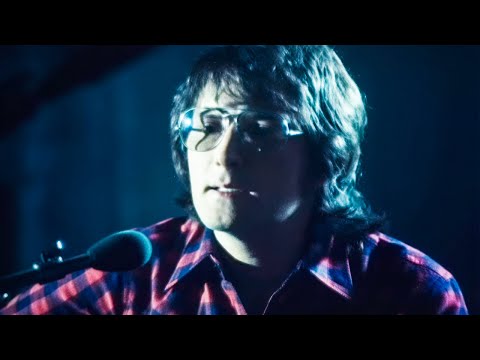
“Baker Street” by Gerry Rafferty

Gerry Rafferty’s “Baker Street” made it to #2 on the Billboard Hot 100 and stayed there for six weeks, unable to break the stranglehold that Andy Gibb’s “Shadow Dancing” had on the top spot. A troubled soul is at heart of “Baker Street,” someone who drinks to forget the tough day they’ve had, someone who comes home with dreams of another life, someone who keeps promising to turn their life around. They’re going to give up drinking and sleeping around, and they’re going to start a new, quieter life. The last stanza seems more hopeful than the rest of the song, frankly, with its notions of each day being a new day. He’s still going to be a “rolling stone,” after all. Rafferty, a former member/lead singer of the band Stealers Wheel (probably best known for “Stuck in the Middle with You”), was nominated for Best Pop Male Vocal Performance but lost to Barry Manilow’s “Copacabana (At the Copa).” Too bad there wasn’t a way to nominate the saxophone playing of Raphael Ravenscroft; it truly makes this record distinct. Rafferty’s vocals are pretty mellow overall, almost gentle given the subject matter, but each time a sax rift begins, “Baker Street” enters a new realm of spectacular musicianship. (Even the guitar solo near the end of the single version overshadows Rafferty’s smooth vocals.)


“Feels So Good” by Chuck Mangione


“Feels So Good” is Chuck Mangione’s only Top 10 Hit, having peaked at #4 on the Hot 100 (although it did spend a week at the top of the Adult Contemporary chart). The single version was released from his album of the same name, which features a version of the song that is almost ten minutes long and takes a while to build to the upbeat single record’s tempo. The single version has such an exuberance and delight, a dance-infused joy, really, that is quite infectious. It’s not often that a recording that features the flugelhorn either becomes a hit or gets nominated for Record of the Year. It’s also not often that an instrumental record makes the final cut for Record of the Year. Mangione recorded another version in 1982 that featured vocals by Don Porter. It’s rather silly, honestly, with its lyrics about someone depressed meeting someone who makes them “feel so good.” The tone of the version with vocals is so depressing by comparison. The original (the shorter version) has a great deal of energy and was very ubiquitous in 1978.


“Just the Way You Are” by Billy Joel

Billy Joel scored his first Top 10 hit and his first gold record with “Just the Way You Are.” The single reached #3 on the Hot 100 for two weeks and spent four weeks at #1 on the Adult Contemporary chart. The lyrics are a sweet testament to one person’s love for someone else, and they could easily come across as corny even if they are true. The notion that you’d stand by someone else no matter what, taking whatever comes their way whether good or bad, is a powerful one. It’s about a forever kind of love with someone that you accept without demanding that they change for you. Joel sings in a reflective mood here, and once again, a saxophone solo (this time by Phil Woods) punctuates the emotional impact of the singing. Bruno Mars released a song with the same title in 2010 that covers much the same territory, but the later record aims for something a bit more metaphorical with references to a woman’s eyes and lips and face. Interesting side note: Joel’s version was not nominated for Best Male Pop Vocal Performance, an award he would win the next year for his album 52nd Street.


“Stayin’ Alive” by Bee Gees

“Stayin’ Alive” is the only nominee for Record of the Year that was certified platinum. It stayed atop the Hot 100 for four weeks, and it was the second single from the enormously successful Saturday Night Fever soundtrack. The first single, “How Deep Is Your Love,” had won the Bee Gees the Grammy for Best Pop Vocal Performance by a Group for 1977, and they would win that award again for 1978 for the Saturday Night Fever soundtrack (which was the only real choice for Album of the Year in 1978). “Stayin’ Alive” would win the Bee Gees another Grammy for Best Arrangement for Voices. Anyone who’s watched the film’s opening that features this song will recall how perfectly it suits the film. John Travolta is walking with a can of paint while the lyrics discuss someone who’s had a rough life of many lows and highs. They’re trying to convince themselves that it’s going to turn out all right but fear that “life’s going nowhere.” I can’t truly understand all of the lyrics, though. I mean, what does “whether you’re a brother or whether you’re a mother” even mean? Of course, with a beat this good and harmonies this tight, does anyone even care what the lyrics say? It’s still shocking that none of the songs from Saturday Night Fever were nominated for the Academy Award for Best Original Song. At least, the Grammy voters noted how great this record was/is. “Stayin’ Alive,” in particular, is an almost perfect representation of the angst felt by the film’s title character, someone who uses the dance floor as an escape from the mundanity of ordinary existence. 


“You Needed Me” by Anne Murray

“You Needed Me” is Anne Murray’s only #1 hit, and it stayed at the top of the Hot 100 for just one week. Interestingly, it spent thirty-six weeks on the Adult Contemporary chart but never reached the top position, and it only reached the Top Five on the Country chart. And, yet, it is one of her most recognized songs in a long career. The lyrics are about how important it is to have someone there for you, giving you unconditional love. Of course, it can be quite corny, but who doesn’t want to be needed by someone else? Who doesn’t want someone to give you hope “when I was at the end”? Murray won the Grammy for Best Female Pop Vocal Performance of 1978, beating such luminaries as Olivia Newton-John (“Hopelessly Devoted to You” from Grease), Carly Simon (“You Belong to Me”), Barbra Streisand (“You Don’t Bring Me Flowers,” her solo version), and Donna Summer (“MacArthur Park,” which is really more of a dance record, but there you go). Murray’s vocal performance uses her trademark low-key style of singing to good effect. There are no histrionics here; the delivery is almost matter-of-fact, an intriguing choice given the emotional weight of the lyrics.


Grammy Winner: “Just the Way You Are” by Billy Joel

My Choice: “Stayin’ Alive” is still making people dance and it brings a smile to your face despite the rather depressing lyrics, but you’d be hard pressed to deny the award to Joel’s tender expression of love. I’d agree (just barely) with the Grammy voters this time.

Note: “Baker Street” and “Feels So Good” didn’t make the list for Song of the Year. (Could an instrumental even be nominated for Song of the Year? Well, yes, they have been.) Joel’s “Just the Way You Are” won the Grammy for Song of the Year, so he won awards for his songwriting skills as well as his performance of the song. Joining it and “Stayin’ Alive” (written by Barry, Robin, and Maurice Gibb) and “You Needed Me” (composed by Randy Goodman) were “Three Times a Lady” and “You Don’t Bring Me Flowers.” The Commodores’ “Three Times a Lady,” written by the group’s lead singer, Lionel Richie, is really quite a beautiful song about trying to explain how much you love someone, almost trying to quantify one’s love. I never understood why they’re “at the end of our rainbow,” though. Is someone dying and the other person is trying to say how much they’ve meant? As for “You Don’t Bring Me Flowers,” this was the year the Neil Diamond (one of the song’s co-writers along with the legendary Marilyn and Alan Bergman) and Barbra Streisand recorded separate solo versions of the song. Streisand’s version garnered her a nomination for Best Female Pop Vocal Performance. “You Don’t Bring Me Flowers” would be nominated for Record of the Year for 1979 after Streisand and Diamond went into the studio to record their marvelous duet about a couple who are no longer in love the way that they used to be and how they feel about the changes in their lives now.

P.S. The top five best-selling singles of 1978 on the Billboard charts, in order, were “Shadow Dancing” by Andy Gibb, “Night Fever” by the Bee Gees, “You Light Up My Life” by Debby Boone, “Stayin’ Alive” by the Bee Gees, and “Kiss You All Over” by Exile. Two songs by the Bee Gees, and another one by their young brother Andy, all of them produced by the Brothers Gibb—that’s quite a feat. Another notable achievement is that four of the five top-selling singles dominated the number one position on the Hot 100 for twenty-three weeks of 1978, almost half of the year just for those four songs (with an additional ten weeks carried over from 1977 for one song). “Shadow Dancing” was the third consecutive #1 record for Andy Gibb, and it spent seven weeks atop the Hot 100. Gibb co-wrote the song with his brothers, who are better known as the members of the Bee Gees, and it became the biggest selling single of his far-too-brief career.  It’s a love song about how much one person needs the other person: “And in a world of people, there’s only you and I / There ain’t nothing come between us in the end.” However, the other person doesn’t seem to be on board or maybe they aren’t even aware of the feelings that aren’t being reciprocated; “How can I hold you when you ain’t even mine” sums up the pain of unrequited love quite well. Speaking of Gibb’s brothers, the Bee Gees reached #1 with their third single from the Saturday Night Fever, the appropriately titled “Night Fever,” and stayed there for eight weeks. It was their third of six consecutive #1 singles and one of the songs that still can bring people to the dance floor. The Saturday Night Fever soundtrack was huge, selling more than 45 million copies and generating several Top 10 hits, including four number ones. “Night Fever” describes the overpowering desire to dance, to be a part of the rhythm that the world has. It’s also about the joy of dancing with the mysterious woman of the song, this “sweet city woman” who is “controlling my mind and my soul.” She helps the main character make it through the night and face another day, very much the theme of the film in which it appears. Debby Boone’s “You Light Up My Life” was nominated for Record of the Year for 1977, and the song was a co-winner of the Song of the Year Grammy for 1977 as well. It just sold so many copies that it wound up being a top hit in 1978 as well. In fact, it was so big a hit that it ranks as #11 on the top singles on the Billboard charts for 1958-2018. It will, of course, be discussed in more detail in the post about the Record of the Year for 1977. Exile’s “Kiss You All Over” spent four weeks at #1, making it the biggest hit of the group’s career. Honestly, it’s pretty graphic for 1978, with lots of sexual imagery throughout the song. Ultimately, the main person in the song wants to show how much they love the other person, and what more obvious and/or direct way to do that than with physical intimacy? As the song suggests, “You can see it in my eyes / I can feel it in your touch / You don’t have to say a thing / just let me show how much.” I, of course, heard the song when it was initially released, but I must have been quite a naïve 15-year-old not to have understood the implications of the song’s title, especially when the lyrics keep adding “and over again.” I certainly hope I’ve learned a few things since then.

Album of the Year for 1978

 Even Now (Barry Manilow)

Even Now, Barry Manilow’s fifth studio album, reached #3 on the Billboard Album Charts and sold more than 3 million copies, getting certified triple platinum in the United States. Most of the songs on the album are about the difficulties of relationships, and several portray the sadness and grief associated with the end of a romance: “Leavin’ in the Morning” and “Where Do I Go from Here” (first recorded by England Dan and John Ford Coley and later, famously, by the Carpenters) and “Losing Touch” (I know the relationship there isn’t over yet, but it’s on its way) and “I Was a Fool (To Let You Go),” one of the most effective but rather unheralded torch songs of the 1970s. I suppose “Starting Again” might also be a torch song, but it’s really about being burned by an ex-lover just when you started to believe in them after many years. Of course, there are also some beautiful songs about realizing the importance another person has in your life. “Somewhere in the Night” first charted as a single by the folk duo of Batdorf & Rodney, reaching #69 on the singles chart. Helen Reddy reached #19 with her version, but Manilow did a bit better, getting to #9 on the Hot 100. His version has a very powerful emotional climax, which is also true for “Can’t Smile Without You,” which had been recorded by the Carpenters but released as the B-side to “Calling Occupants of Interplanetary Craft,” an unexpected pairing, certainly. The sentiments are somewhat similar in revealing how much someone loves another person. I mean, the title is rather self-explanatory. One of the best story songs on the album is “A Linda Song,” which is about the regrets that you can have when you’ve taken someone for granted and then realize too late what they meant to you. However, the most famous song on the album is, undoubtedly, “Copacabana (At the Copa),” and it won Manilow the Grammy Award for Best Pop Vocal Performance, Male. It tells the story of an ill-fated love between a nightclub showgirl and a bartender at the title club. It’s a tale of jealousy, death by gunfire, and living in the past. I mean, Lola, the showgirl is still hanging out in this former nightclub/now disco thirty years later and wearing the dress she used to wear. She must make for an unusual sight amidst all of the disco revelry. Both the shorter and longer versions feature a great beat with Latin rhythms and an elaborate production; no wonder it’s still so popular. The song that ends the album, “Sunrise,” sounds musically at times like an earlier version of “Ready to Take a Chance Again,” but it’s really much more meditative and calm than that later song. Its contemplative mood is a lovely way to complete the listening experience.

Singles: “Can’t Smile Without You” (reached #3 on the Billboard Hot 100 singles chart); “Even Now” (reached #19); “Copacabana (At the Copa)” (made it to #8); “Somewhere in the Night” (#9)

Most Essential Track: “Copacabana (At the Copa)” is probably the most famous song on the album. It was even made into a television movie in 1985 and a stage musical in 1994. Manilow has clearly made a lot of money from the song and its various incarnations.

My Favorite Track: “Even Now” has an emotional resonance beyond what most of the other songs offer. It’s an album filled with great songs, but the title song stands out. I described one of the other songs on the album as a torch song, but this is really a masterful example. Look at lines like “Even now I wake up cryin' in the middle of the night / And I can't believe it still could hurt so bad.” So resonant with anyone who’s no longer with someone that they love.


Grease (Soundtrack)

The original soundtrack to Grease, the film version of the Broadway musical, was one of the most successful albums of 1978, reaching #1 on the Billboard Top 200 Albums chart where it reigned for twelve non-consecutive weeks. It was surpassed only by the soundtrack to the movie Saturday Night Fever, which was released in late 1977. It’s now sold an estimated 30 million copies worldwide, about 17 million copies in the United States alone, making it one of the bestselling soundtracks of all time. It was still selling so well into 1979 that it wound up at #20 on that year’s list of the bestselling albums for the year. As you might expect, many of the songs were written for the original Broadway musical, but there are some new songs written just for the film, and they tended to be the most successful ones: “You’re the One That I Want,” “Hopelessly Devoted to You,” and the title track, “Grease,” for example. Four songs from the album would wind up in the top 100 songs of 1978’s year-end charts: “Grease” at #11, “You’re the One That I Want” at #13, “Hopelessly Devoted to You” at #35, and “Summer Nights” at #69. John Travolta and Olivia Newton-John star in the film, and they share three duets, sometimes with other members of the cast singing background vocals. Newton-John gets two solo songs although one is just a reprise of a song performed by the Pink Ladies (Stockard Channing, Didi Conn, Dinah Manoff, and Jamie Donnelly), “Look at Me, I’m Sandra Dee.” Her other solo, “Hopelessly Devoted to You,” would be nominated for the Academy Award for Best Original Song. Travolta gets a song to himself, “Sandy,” which is not one of my favorites from the movie given how overwrought it becomes at times. It’s actually a group called Sha-Na-Na, who specialized in performances of music from the 1950s, that perform the largest number of songs, six in all, the best of which is “Born to Hand Jive,” with “Tears on My Pillow” a close second. I’d also like to point out that a somewhat unknown singer, Cindy Bullens (now Cidney Bullens), gets two of the best songs on the soundtrack, “It’s Raining on Prom Night” and “Freddy, My Love.” They’re from the original theatrical musical, and they are perfect in replicating the music of the 1950s. I also love the novelty of hearing Frankie Avalon as Teen Angel singing “Beauty School Dropout,” and Stockard Channing’s rendition of “There Are Worse Things I Could Do” is the only time she’s given a number by herself and reveals that she’s quite the belter. It’s more than an hour of music if you listen to the full two-disc original version of the soundtrack, and if you’re able to reflect nostalgically back on your experience of watching the film (my brother and I saw it four times during 1978), then you’ll enjoy some great performances again and again.

Single Releases: “You’re the One That I Want” (#1 for one week), “Grease” (#1 for two weeks), “Hopelessly Devoted to You” (#3), “Summer Nights” (#5), “Sandy” (did not chart in the U.S.), and “Greased Lightin’” (#47)

Most Essential Track: I suppose “You’re the One That I Want” would be most people’s choice since it features the two leads dueting on a great song. The visuals accompanying the song in the film certainly spark some fond memories. It sold 4 million copies and was certified multiple platinum, so I wouldn’t argue with it being the most important song on the album. Perhaps the title song would also warrant a mention. I can still recall how much fun it was listening to Frankie Valli singing “Grease” over the animated title credits the first time I saw the movie.

My Favorite Track: I’m a sucker for “Hopelessly Devoted to You” and Newton-John’s performance of it. She was deservedly nominated for the Grammy Award for Best Female Pop Vocal Performance.


Running on Empty (Jackson Browne)

Running On Empty - Album by Jackson Browne | Spotify

Running on Empty was Jackson Browne’s fifth album, but none of it was recorded in a studio. Instead, it was recorded live all over the United States while he was on tour in 1977 after the success of his album The Pretender. Five of the songs were performed and recorded in concert: “Running on Empty.” “You Love the Thunder,” “Love Needs a Heart,” “The Load-Out,” and “Stay.” “Rosie” was recorded backstage in a rehearsal room, and three of the songs were recorded in hotel and motel rooms: “The Road.” “Cocaine” (not the Eric Clapton song), and “Shaky Town.” “Nothing But Time” was recorded on the bus while traveling through New Jersey. The title song is about continuing to push forward even though you might not have much energy left to do whatever it is you’re doing. It’s clearly about life on the road while touring, but it’s also a lovely metaphor about getting to the point where you’re, as the suggestion goes, almost out of gas and “I don't know where I'm runnin' now, I'm just runnin' on.” It became something of an anthem for so many people in the 1970s who had grown up in the 1960s and saw how much America and their lives had changed. (What’s the equivalent song for today?) “The Road” is an even sadder version of the same idea because “It’s just another town along the road,” after all. Actually, many of the songs are about how tough it is to be on tour. “Nothing But Time,” for example, is about being on the bus after the show and trying to deal with the boredom that comes after the performance, forming a little community with the other people riding with you. “Shaky Town” covers some of the same territory, but it uses CB lingo like “10-4” and the song’s title (a reference to Los Angeles) to discuss the mundane repetition of night after night of traveling from place to place. And then there’s “Rosie,” an odd little song about a groupie who abandons a roadie for the drummer, so the guy has to jerk himself off for relief. I mean, I guess it’s clever in its own way, but, honestly, ick. A different, better kind of relationship is the focus of “You Love the Thunder,” about a couple who seem so very different from each other. He seems to be in search of what he calls “the flame,” perhaps a reference to fame and stardom, and she loves him enough to follow him on his journey. It’s a nice reflection on what people in a relationship will sometimes sacrifice for the one that they love. It was released as a single, but sadly, it never made it onto the Billboard Hot 100 chart. The best love song on the album, though, is “Love Needs a Heart.” Perhaps it’s about having to leave in order to tour, but it could work for almost any relationship that’s ended. The lines “Love needs a heart and I need to find / if love needs a heart like mine” suggests that the singer accepts his role in the breakup. He certainly seems to think that he’s the one to blame given his emotional resistance to trusting others. “Cocaine” is a reworked version of “Cocaine Blues,” not the song “Cocaine” by Clapton (or JJ Cale), but the one by Rev. Gary Davis that had also been recorded by Bob Dylan. I sure hope that’s not confusing to anyone but me. I suppose it wouldn’t be a true 1970s rock album without some reference to the rampant drug use at the time. I think the heart of the album is contained in the last two songs on the second side, “The Load-Out” and “Stay,” but I have more to say about them later. Running on Empty reached #3 on the Billboard album chart and has sold more than 7 million copies. Browne was nominated for Best Pop Vocal Performance, Male, but lost to Barry Manilow’s rendition of “Copacabana (At the Copa)” from the Grammy-nominated album Even Now.

Singles: “Running on Empty” (reached #11 on the Billboard Hot 100 singles chart); “The Load-Out/Stay” (#20); “You Love the Thunder” (only reached #109, technically the Bubbling Under Hot 100 chart). Just a note on one of these charted songs: “Stay” was released as a single with “Rosie” as the B-side, but radio stations started playing the last two tracks on the album together, so the charts were updated to reflect the two songs as a medley like they were on the LP. That’s more than nine minutes of song, and there’s no way a record company would have released a single that long in 1978.

Most Essential Track: “Running on Empty” sets the tone for the entire album, and it’s the song that everyone knows from Browne’s repertoire.

My Favorite Track: “The Load-Out/Stay” shows us two halves of the performing life. “The Load Out” is about the roadies who set up and take down all of the equipment for a show. It’s a tribute to their really hard work, a way for the singer to pay respect to what they do. He just asks them to wait until the very end to take away the piano. “Stay” asks the audience to hang around for another encore. The background vocals by David Lindley (his falsetto is priceless) and Rosemary Butler elevate this song to being a true crowd pleaser. The two songs were recorded together in Maryland, and they serve as a lovely coda to the album’s focus on the touring life.


Saturday Night Fever Soundtrack

Saturday Night Fever (soundtrack) - Wikipedia

It’s tough to appreciate in this age of streaming how much of a huge best-selling album the soundtrack to Saturday Night Fever was. It spent twenty-four weeks at #1 on the Billboard Album Charts at a time when you had to purchase your physical LPs at a record store. That’s almost half a year! Four of the singles from the album combined to lead the Billboard Hot 100 charts for fourteen weeks. That’s dominance! Remember, too, that this was a double LP, twice as much music and a higher price. (I do miss the days of the double LP.) By the way, no one should correct you if you mistakenly believe that the entire soundtrack album is a Bee Gees record. They are the most well-known producers, songwriters, and performers associated with the album and deservedly so. More than a third of the songs were written by and recorded by the three brothers: “Stayin’ Alive,” “How Deep Is Your Love,” “Night Fever,” “More than a Woman,” Jive Talkin’,” and “You Should Be Dancing.” Two of those songs had already been huge hits for the brothers: “Jive Talkin’” (a #1 in 1975) and “You Should Be Dancing” (a #1 hit in 1976). Of course, there are other artists represented on the record. Discos didn’t just play one artist all night long, and the movie is very much set in the disco culture of New York in the late 1970s. We get Yvonne Elliman’s exquisite rendition of “If I Can’t Have You” and the soulful version of “More Than a Woman” by Tavares, a better and more successful version than the one by the Bee Gees included on the soundtrack. “Boogie Shoes” by K.C. and the Sunshine Band was also released as a single from the album, so it wasn’t just the Bee Gees songs that did well. “Disco Inferno” by the Trammps had been hit on the dance charts before the film opened, but a re-released version made it to #11 on the Hot 100. Likewise, “Open Sesame” by Kool & the Gang had been a hit on the soul and dance charts but received renewed interest after it was included on the soundtrack album. A variety of instrumental songs account for almost thirty minutes of the album’s total running time of seventy-five minutes. Three of them were performed by David Shire: “Manhattan Skyline,” “Salsation,” and “Night on Disco Mountain” (his rewording of Mussorgsky’s “Night on Bald Mountain” for the disco crowd). “A Fifth of Beethoven,” a dance version of Beethoven’s famed symphony by Walter Murphy and His Big Apple Band, had already been a #1 hit too when it was added to the album. K-Jee” by MFSB had been a Top 40 hit all the way back in 1971, but a good dance groove is a good dance groove. That leaves just “Calypso Breakdown” by Ralph McDonald as the other instrumental song. So why did Saturday Night Fever win the Grammy for Album of the Year? No album sold better that year than it did, at least 16 million copies in the United States alone and an estimated 40 million worldwide. It was the best-selling album of 1978 and was even the 27th best-selling album in 1979 too! It reached #1 in at least fifteen countries. Take the established disco hits from various artists, add the new music by and from the Bee Gees, include some other great dance artists at the peak of the disco era, and what other album really stood a chance that year? The soundtrack LP was justifiably inducted into the Grammy Hall of Fame in 2004 and was added to the National Recording Registry by the Library of Congress in 2013 for historic preservation.

Singles: The Bee Gees had four hit singles from the album, “How Deep Is Your Love” (released before the movie and soundtrack were released, and reached #1 on the Billboard Hot 100 and was #6 for all of 1978; it spent two weeks at the top of the charts in 1977 and one week in 1978); “Stayin’ Alive” (#1 for four weeks; #4 for the whole year); “Night Fever” (#1 for eight weeks and #2 for all of 1978); and their recording of “More Than a Woman” (#39 on the Adult Contemporary chart, five months after the more successful version by Tavares was released. The other #1 Billboard Hot 100 song was Yvonne Elliman’s “If I Can’t Have You,” which stayed at the top of the chart for a week. If you’re keeping track, that’s fourteen weeks in 1978 where the top song in the country was from the Saturday Night Fever soundtrack. The other hits were “More Than a Woman” by Tavares (#32 on the Hot 100) and “Boogie Shoes” by K.C. and the Sunshine Band (#35). Another song, the instrumental “Manhattan Skyline” by David Shire, didn’t chart but was released to keep the album’s momentum going in June 1978.

Most Essential Tracks: This would be a tough choice to make. “Night Fever” was the biggest hit, but “Stayin’ Alive” has such a memorable role in the movie. Both are classics from the disco era and they both feature Barry Gibb’s amazing falsetto voice, so I’m going to pick them both. You could also make a case for “More Than a Woman” since it had two hit versions, both of them included on the album.

My Favorite Track: Yvonne Elliman should have had many more hit records. She’s an amazing singer, and “If I Can’t Have You” is one of the songs I’m constantly excited to hear when it comes on the radio. My husband also loves it, so that’s a bonus.


Some Girls (The Rolling Stones)

Some Girls - Wikipedia

Some Girls was the fourteenth studio album by the Rolling Stones, and I don’t know if I thought there were more or fewer albums by that point, but they’d been a band for a long time by then, almost a couple of decades. This was their first album with Ronnie Wood as full-time member of the band, replacing former guitarist Mick Taylor, and it remains one of their best-selling albums, racking up more than 6 million copies in U.S. sales alone. The music is interesting because it reflects the multiple musical influences and trends of the time: rock, yes, certainly, but also punk and disco and even a little bit of country. “Miss You,” the first single, is sometimes called a disco song, and it certainly has a strong beat, so maybe it’s just a rock song that you can dance to. It spent one week atop the singles chart, the last Rolling Stones song so far to reach #1. The title song is another example of the musical fusion the band was going for; it’s a little bit rock, a little bit country, and a little bit punk – a rather intriguing combination, actually, for a song that generated so much controversy for its lines about black women wanting sex. Honestly, the song doesn’t exactly represent a feminist attitude toward any group of women, and you’ll have to decide for yourself if it’s a parody of the stereotypes it includes. “Far Away Eyes” is the most out-of-character track on the album with its very twangy country style music and vocals. It’s a rather silly song about praying to have a girl with the title traits, and the references to Sunday morning radio gospel shows creates a jarring context for an encounter with a woman described in the song. “Just My Imagination (Running Away with Me)” is the only song on the album not written by lead singer Mick Jagger and guitarist Keith Richards. It’s remake of the hit song by the Temptations that the Stones turn into a rock ballad that’s a combination of smooth and jangly. I find “When the Whip Comes Down” fascinating. Jagger has claimed that it’s about a gay man who moves from Los Angeles to New York and becomes a garbage collector, but is that what it’s about? It certainly seems like the guy in the song becomes a prostitute, and the lyrics suggest that perhaps bondage and domination might be a part of this story. It’s a hard rocking number, almost punk in its aesthetic, which fits the subject matter better than you might imagine. “Before They Make Me Run” is the only song where Keith Richards sings lead, which is fitting since it’s a song about his drug abuse and its impact on his life. You could even interpret the line “I'm gonna walk before they make me run” as describing the impact that rehabilitation had on him. “Beast of Burden” was later a minor hit for Bette Midler, who made a video with Jagger in the early days of MTV. Many people, including me, think it’s one of the best Stones songs. It’s a slower, plaintive song. The singer asks “Am I hard enough? / Am I rough enough? / Am I rich enough?” when what it seems he really wants to know is “am I not enough for you?” Why does his partner ask so much of him (making him a “beast of burden” carrying the heavy weight of the relationship) when it should be more equal. The original album release had a very clever cover design. There were actually two covers, one of the with a die cut design based upon a wig advertisement, and one slid inside the other one. The inside cover featured the members of the band alongside the faces of female celebrities like Marilyn Monroe, Raquel Welch, Brigitte Bardot, and Lucille Ball. As you might suspect, there were copyright implications, so later releases are far less interesting (and much less valuable). Some Girls reached #1 on the Billboard Top Albums chart and stayed there for two weeks. It remains their only album to be nominated for Album of the Year, and it was their first nomination ever for a Grammy Award.

Singles: “Miss You” (#1 on the Billboard Hot 100); “Beast of Burden” (#8); “Respectable” (UK #23); “Shattered” (#31)

Most Essential Track: “Miss You” was the biggest hit single from the album, but I’d speculate that “Beast of Burden” is perhaps the more influential and lasting track.

My Favorite Track: “Shattered” is a song about New York in the 1970s, and it’s not a pretty place. The reality is rather bleak: “pride and joy and greed and sex, that's what makes our town the best” – hardly a ringing endorsement, is it? Jagger reaches some strained high notes here about how the environment is affecting him. Plus, there’s that compulsive beat and the repetition of “shadoobie, shattered” throughout the song. No, I don’t know that that means. I don’t know that you can dance to this song, but it is exciting to listen to it.


Winner: Saturday Night Fever soundtrack

My Choice: Given its chart dominance and, frankly, the great dance music, Saturday Night Fever is the obvious and deserving winner.

Note: The best-selling albums of 1978, according to Billboard were (in order) the Saturday Night Fever soundtrack, the Grease soundtrack, Fleetwood Mac’s Rumours, which was released in 1977 and had won the Album of the Year Grammy the previous year; Billy Joel’s The Stranger; and Steely Dan’s Aja. The two best-selling albums of the year were nominated, but it was clearly going to be a Saturday Night Fever year given how much the album had dominated the charts for almost half the year.

Thursday, October 1, 2026

Record of the Year for 1973

 Four of the nominees for Record of the Year for 1973 were #1 songs; only “Behind Closed Doors” didn’t meet that designation. Despite being from very different genres (country, pop, soul/rhythm & blues), they were all massive hits that were all certified as having sold more than a million copies each. Four of them have also been inducted into the Grammy Hall of Fame, with “Bad, Bad Leroy Brown” being the lone outlier here.


“Bad, Bad Leroy Brown” (Jim Croce)

Jim Croce’s first #1 hit, “Bad, Bad Leroy Brown” topped the charts for two weeks in July 1973, just a few months before he would die in a plane crash. It was his only #1 song before his passing, and it’s the last song he is known to have sung publicly in his lifetime. The song was the second single from Life and Times, and the greatest delight of the lyrics, which were written by Croce himself, is the playful use of language to describe the title character. It’s how tough Leroy seems or claims (or pretends) to be in his environment of the South Side of Chicago. He’s so tall (6 foot 4) that the ladies call him “Treetop Lover,” and he’s so tough that he’s “badder than old King Kong and meaner than a junkyard dog.” He enjoys being respected for his physical attributes and his wealth until he falls for a married woman named Doris. The men fight over Doris, and Leroy winds up looking like “a jigsaw puzzle with a couple of pieces gone.” Clever stuff, and a nice companion to Croce’s earlier single “You Don’t Mess Around with Jim.” Croce was nominated for Best Pop Vocal Performance, Male, losing to Stevie Wonder, who is also in this category. Interesting note: “Bad, Bad Leroy Brown” is reportedly only the second #1 song to use the word “damn” in its lyrics; the first was “Theme from Shaft” by Isaac Hayes.


“Behind Closed Doors” (Charlie Rich)

Charlie Rich reached #15 on the Billboard Hot 100 charts with “Behind Closed Doors, which was his first #1 hit on the country charts. It’s an example of crossover success that would become more common in the 1980s. To an extent, it’s a love song about how two people truly care about each other and how they like to express their love for each other in private rather than in public. No emotional outbursts or public displays of affection for these two, no. Unsurprisingly, the record was banned by some radio stations for its allegedly “racy” content, and there’s some very clearly insinuated sexual activity involved here: “And when we get behind closed doors / Then she lets her hair hang down / And she makes me glad that I'm a man.” After all, as the song says, “no one knows what goes on behind closed doors.” I think this song gives us a very direct indication. If you’re still confused as to what might be going on, perhaps you’re just too… young. Rich won the Grammy for Best Country Vocal Performance, Male, and the song was ranked #9 on CMT’s 100 Greatest Songs in Country Music in 2003. Rich certainly demonstrates a lovely range in his lead vocals, and the Nashville Edition provided backing vocals on the record. They did the same for literally thousands of songs, and anyone who grew up watching Hee Haw (like I did) will likely remember them.


“Killing Me Softly with His Song” (Roberta Flack)

Roberta Flack spent five non-consecutive weeks at #1 on the Billboard Hot 100 with “Killing Me Softly with His Song,” the most weeks at #1 for any song or artist that year. Flack won the Grammy for Best Pop Vocal Performance, Female, and it’s easy to see why. She just keeps increasing the intensity of her vocals as the song progresses, and she has one of the best voices in music. The song is a tribute to the power of music to inspire us. The performer being described in the song is clearly having an emotional impact on the audience member, and if you look at a line like “I felt he'd found my letters and read each one out loud,” you get a sense of just how powerfully resonant a performance and a performer and a song can be. The inspiration for the song came from a Don McLean concert at the Troubadour in West Hollywood. After becoming so emotional over McLean’s performance, singer-songwriter Lori Lieberman started writing what would become “Killing Me Softly with His Song” on a napkin, but there’s more about the disputed authorship later in this post. I know the song says, “I prayed that he would finish, but he just kept right on,” but you understand that it’s just because the person in the song is just feeling overwhelmed. Flack became the first artist to win back-to-back Grammy Awards for Record of the Year, her first for “The First Time Ever I Saw Your Face” in 1972.


“You Are the Sunshine of My Life” (Stevie Wonder)

Of the nominees that reached #1 on the Billboard Hot 100, Stevie Wonder’s “You Are the Sunshine of My Life” stayed there for the shortest period of time, just one week. It’s one of the most unabashedly sweet love songs from this era in music. It’s interesting to note that the beginning of the song isn’t even sung by Wonder himself. The first two lines are sung by Jim Gilstrap, and the next two by Lani Groves. Wonder joins when the lines begin: “I feel like this is the beginning / Though I've loved you for a million years.” Who wouldn’t want to be called “the apple of my eye” and “the sunshine of my life”? You bring light and joy to someone else to the point where they write a tribute to you? By the time you get to “And I know that this must be heaven,” you’d need to blush just to maintain a little bit of your composure. Wonder received the Grammy for Best Pop Vocal Performance, Male, for the song, which was included on his album Talking Book (not Innervisions, the Grammy Album of the Year for 1973).


“You’re So Vain” (Carly Simon)

So many people have speculated about the identity of the man being described in Carly Simon’s “You’re So Vain.” Most of the possibilities have been eliminated over the years, but Simon herself says it was a combination of three different men (although she has admitted that one of them is Warren Beatty). The record spent three weeks at #1 and was actually the first #1 of the year for 1973. It’s quite the examination of a narcissistic male who likes to look at himself in the mirror and have adventures at exotic locales that most of us will never see. It’s pretty damning when Simon sings, “You’re so vain / You probably think the song is about you,” but it’s very likely true and very probably a weird source of pride. Unfortunately, the man doesn’t pay attention to his relationships: “You gave away the things you loved / And one of them was me.” Rolling Stones frontman Mick Jagger famously sings backup on the song, but he was apparently not one of the three inspirations for the song, according to Simon. She received a well-deserved nomination for Best Pop Vocal Performance, Female, but lost to Roberta Flack’s “Killing Me Softly with His Song.” That was quite a field of nominees for that honor, including Bette Midler, Anne Murray, and Diana Ross, so the voters had a tough choice.


Grammy Winner: “Killing Me Softly with His Song” by Roberta Flack

My Choice: What an amazing lineup of now-classic songs! I am not going to disagree with Grammy voters here despite the quality of these nominees. “Killing Me Softly With His Song” is perfection.

NOTE: Four of the five nominees for Song of the Year were also included in the Record of the Year category. However, “Bad, Bad Leroy Brown” was replaced in the Song of the Year category by “Tie a Yellow Ribbon Round the Ole Oak Tree.” Irwin Levin and L. Russell Brown are crediting with co-writing “Tie a Yellow Ribbon Round the Ole Oak Tree,” which was the biggest selling record of 1973 and ranked at #46 on Billboard’s all-time singles chart as of 2018. It stayed at #1 on the Billboard singles chart for four weeks and was #1 in an additional nine countries (Australia, Belgium, Canada, Ireland, the Netherlands, New Zealand, Norway, South Africa, and the United Kingdom). It’s a touching song about someone who’s being released from prison who is not certain if their loved one will be happy to see them return. They ask for a yellow ribbon to be tied around an oak tree in the front yard as a symbol of whether they are welcome to come home. The ending is heartwarming in its simplicity and beauty, and the imagery of a tree encircled by a hundred yellow ribbons was so inspiring that it later became a symbol during the Iran hostage crisis of America’s desire to see the hostages returned safely. Not many songs went what is now called “viral” in those days, but this one certainly did. Certainly, its inspirational message and the upbeat, almost old-fashioned music helped a lot. Two of the other Song of the Year nominees were written by their performers: “You Are the Sunshine of My Life” by Stevie Wonder and “You’re So Vain” by Carly Simon. Kenny O’Dell wrote “Behind Closed Doors,” which was recorded by Charlie Rich. O’Dell was also a performer, but he had much more success as a songwriter, and “Behind Closed Doors” won him a Grammy for Best Country Song. The nomination (and win) for “Killing Me Softly with His Song” raises some interesting questions. The men who are credited with writing the song are Charles Fox and Norman Gimbel, who wrote many popular songs and movie themes and won many awards, including an Oscar for “It Goes Like It Goes” from Norma Rae (actually one of the weaker songs of the five nominees that year). However, everyone knows that Lori Lieberman, the first singer to record the song, began writing the lyrics at a Don McLean concert at the Troubadour in West Hollywood. That she didn’t receive co-writing credit cost her a lot of money over the years and lost Fox and Gimbel some respect in my eyes. Always demand credit for your work.

P.S. The best-selling singles for 1973, according to Billboard Magazine were, in order, “Tie a Yellow Ribbon Round the Ole Oak Tree” by Tony Orlando & Dawn; “Bad, Bad Leroy Brown” by Jim Croce”; “Killing Me Softly with His Song” by Roberta Flack; “Let’s Get It On” by Marvin Gaye; and “My Love” by Paul McCartney & Wings. Gaye was one of the greatest singers of all time, and “Let’s Get It On” has to be one of the sexiest songs ever. From that opening note, you’re in the midst of a vibe that just changes your attitude. “There’s nothing wrong with me loving you” is one of the truest lines anyone has ever sung, and Gaye was certainly in fine voice for this record. “My Love” is such a lovely, sentimental song. It wasn’t perhaps well loved by critics at the time, and perhaps it wasn’t as deep as some other songs he had written, but with sentiments like “my love does it good” and “only my love holds the other key” are just charming. If it was written for Linda McCartney, she must have been overwhelmingly happy. Look at how many of the top five songs of the year were love songs; that clearly indicates just what was going on at the time. For the record, Record of the Year nominees “You’re So Vain” and “You Are the Sunshine of My Life” ranked at #9 and #19 respectively for the year. “Behind Closed Doors” was at #56.

Album of the Year for 1973

 Behind Closed Doors (Charlie Rich)

Behind Closed Doors (Charlie Rich album) - Wikipedia

Behind Closed Doors, the biggest hit album for Charlie Rich, is a smooth blend of so-called “Countrypolitan” or “Nashville Sound” music, that mix of country and pop styles that allowed a lot of artists, including Rich, to cross over to mainstream success and exceptional popularity across genres. The two best songs are the ones that reached #1 on the Billboard Country Singles Chart: “Behind Closed Doors” and “The Most Beautiful Girl.” That second song also reached #1 on the Billboard Hot 100 chart for two weeks. I like “The Most Beautiful Girl” a lot, and it deservedly got attention from the record-buying public, but is there a sexier country song from that era than “Behind Closed Doors”? It’s about public behavior vs. private behavior and about how the singer’s lover clearly shows the, um, fullness of her love when they’re alone together. After all, “no one knows what goes on behind closed doors” except for the people who are intimately involved. This was one of Rich’s biggest hits during his so-called “Silver Fox” era. "The Most Beautiful Girl" is clearly about a man who’s caused a breakup: “I woke up this morning / Realized what I had done.” It winds up being one of the loveliest and saddest songs in country music with the singer begging everyone to tell his lover that he’s sorry. No wonder it was such a hit. "I Take It on Home" was the first single released from the album, and it’s an enjoyable tune about being faithful to someone even when you’re not always home. The temptation is there, but the singer is happy to return home to their loved one, who has also presumably been faithful too. Most of the songs are just two or three minutes long, little gems that represent a very prominent style of music from the first half of the 1970s, but some stand out. If you want an almost perfect example of how metaphor is used in country music, look no further than "I'm Not Going Hungry Anymore.” Why not? Because his lover’s love is all he needs to, um, satisfy his hunger. That’s “hungry” meaning the same thing as “thirsty” now, I guess. The album turned out to be quite the family project with four of its eleven songs being written by members of the Rich family. Charlie Rich wrote “Peace on You,” infusing it with a resonant gospel sensibility. His wife, Margaret Ann Rich, contributed two songs, “A Sunday Kind of Woman” and “Nothing in the World (To Do with Me).” Both of them are sort of the country equivalent of torch songs, with an especially nice twist in the second song. Even his son Allan, who was a teenager at the time, penned “You Never Really Wanted Me,” a nice song about lovers reuniting, a subject that must have been an intriguing one for such a young songwriter. Rich won the Grammy Award for Best Male Country Vocal Performance for the title song, beating such talents as Kris Kristofferson, Tom T. Hall, Johnny Russell, and Charley Pride, all of them singing what would become classic country songs. As you might expect, the album was a huge hit on the country charts, reaching #1, but it was also a big success on the Billboard Album Chart, reaching #8. It’s been certified quadruple platinum for more than four million copies sold. Interestingly, it was also chosen as the Album of the Year by both the Country Music Association and the Academy of Country Music, two groups that are not always in sync when it comes to their choices. That’s a pretty good sign of just how popular Rich was at the time.

Singles: “I Take It on Home” (#6 on the country singles charts); “Behind Closed Doors” (#15 on Hot 100 and #1 on the country charts); “The Most Beautiful Girl” (#1 on both the Hot 100 for two weeks, the country singles chart for three weeks, and the adult contemporary chart for three weeks, quite the hat trick)

Most Essential Track: “The Most Beautiful Girl” was the bigger hit, but I think “Behind Closed Doors” is the more influential song. It bears repeated listening, and it was chosen as both Single of the Year and Song of the Year by the CMA and the ACM. It was also chosen as Best Country Song at the Grammy Awards.

My Favorite Track: I would pick “Behind Closed Doors” here as well. It’s just such a great song and so… precise in its implications. I do enjoy the implications of “I’m Not Going Hungry,” but “Behind Closed Doors” is a more direct statement of the same subject.


The Divine Miss M (Bette Midler)

The Divine Miss M was Bette Midler’s debut studio album. The title refers to the stage persona she cultivated playing in gay bathhouses like the Continental Baths in New York City, and it’s a moniker that has stuck with her throughout her long career. Most of the songs on the album are actually from her act at the bathhouse, and one of the producers is her former piano accompanist, Barry Manilow. This LP features one of Midler’s greatest traits, the ability to revive a song that has been performed by other artists and reinterpret it and make it her own. You’ve probably heard Tanya Tucker’s and Helen Reddy’s wonderful takes on “Delta Dawn,” but Midler’s version is so unlike either of those and well worth the revisiting of its lyrics. Likewise, “Do You Wanna Dance” and “Superstar” have versions that most people are more familiar with, but you still need her take on them. She’s also a great musical archivist. For example, here she takes on John Prine’s emotionally resonant “Hello in There” and infuses it with a great deal of emotional intensity and vulnerability. The album was a success both critically and commercially, reaching #9 on the Billboard Top 200 Albums chart and being certified platinum for sales of more than a million copies. Four producers worked on the album: Manilow, Ahmet Ertigun (the famed Atlantic Records co-founder), Geoffrey Haslam, and Joel Dorn. They bring a jazz and pop music sensibility to the recordings. In addition to the nomination for Album of the Year, Midler won Best New Artist and was nominated for Best Female Pop Vocal Performance for “Boogie Woogie Bugle Boy.”

Single Releases: “Do You Wanna Dance” (#17 on the Billboard Hot 100 chart); “Boogie Woogie Bugle Boy” (#8); “Friends” (#40)

Most Essential Track: A tough choice given how many of these songs have been standards for Midler’s concerts… but most people would probably say “Boogie Woogie Bugle Boy,” given that it was the biggest hit single release. I might pick “Hello in There” just because I’m getting older and its lyrics have become more resonant with each passing year.

My Favorite Track: Another very tough choice… but I’d probably pick the version of “Friends” that ends the album. Yes, there are two versions of the song on the LP, each from different sessions. I prefer the one from Session 2, but both of them are gems despite being quite distinctive.


Innervisions (Stevie Wonder)

Innervisions - Wikipedia

Stevie Wonder wrote all of the songs on Innervisions, his 16th studio album, and he co-produced it with Malcolm Cecil and Robert Margouleff. It’s considered one of the masterpieces from his most productive period, the 1970s. The album reached #4 on the Billboard Top LPs & Tapes chart (now the Top 200) and #1 on the Soul Albums chart, and it was Wonder’s first of three albums to with the top honor from the Grammy Awards. “Too High” provides a funky start to the album; it’s very upbeat and quite energizing. The next song, “Visions,” immediately softens the mood, giving an ethereal change of pace. It’s the kind of song that would be playing in the background at a shop that sells crystals, and I don’t necessarily mean that in a bad way. “Livin’ for the City” really is the centerpiece of the album. It’s more than seven minutes of narrative, sounds of the city, dialog, and it attempts to depict a large landscape of what’s going on in the urban environments of the time. Wonder’s delivery replicates the frustrations of the people being described in the song. It’s just great and deservedly won the Grammy for Best R&B Song. “Golden Lady” is a smooth love song, the second best on the album after “All in Love is Fair.” The album really does have quite the range of musical styles and subjects and instruments. You can see that very clearly in the first single released from the album, “Higher Ground,” a soul/funk masterpiece about reincarnation and becoming better versions of ourselves. It was memorably covered by the Red Hot Chili Peppers in 1989, but the original is still the best. I find “Jesus Children of America” to be the most perplexing song on the album. It seems like it’s a spiritual meditation, but it doesn’t seem like it’s the most flattering portrait of religious faith, does it? And its tendency to keep looping back through the lyrics, while creating a unique sound, might be counterproductive to the message. If I have a second-favorite song on the album, it’s probably “Don’t You Worry ‘Bout a Thing,” such an upbeat message about remaining positive in the face of difficulty and the support others can give. In addition to its win for Album of the Year, Innervisions won the Grammy for Best Engineering, Non-Classical Recording, and it was inducted into the Grammy Hall of Fame in 1999. It began a rather unprecedented run at the Grammy  Awards for Wonder, one of the most talented musicians of the modern era.

Singles: “Higher Ground” (reached #4 on the Billboard Hot 100); “Livin’ for the City” (#8); “Don’t You Worry ‘Bout a Thing” (#16); “He’s Misstra Know-It-All” (did not chart in the US but reached #10 in the UK)

Most Essential Track: “Livin’ for the City” takes the listener on quite the journey through its multiple narratives and its use of dialog and story.

My Favorite Track: I’m inclined to pick “All in Love Is Fair” because it’s such a beautiful song that was covered so memorably by Barbra Streisand, but I figure that might be too obvious. Wonder’s rendition of the song is quite lovely, though, and it’s one of his most romantic songs.


Killing Me Softly (Roberta Flack)

A person sitting at a piano

AI-generated content may be incorrect.

Killing Me Softly was the fourth solo studio album by the great Roberta Flack. It reportedly took 18 months to record before finally being released in August of 1973, and it was worth the amount of time given the quality and range of the songs it includes. The album became an early influence for what would become known as the “Quiet Storm” radio format that featured smooth, romantic, jazz-influenced R&B songs. (The trend would be named for a Smokey Robinson album of 1975.) The title song for Flack’s was deservedly a huge hit, and Flack also scored a second Top 40 hit with “Jesse,” but more about those two songs later. Appreciate the hint of gospel influence on the upbeat pop/soul of “No Tears (In the End)” and the jauntiness of the old-fashioned, almost vaudevillian “When You Smile.” Listen to the evocative piano playing by Flack herself on the quiet, gentle “I’m the Girl.” Flack was an accomplished pianist, but this track features her work at its peak emotional impact. The performance of “River” wouldn’t be out of place in a honkytonk or juke joint on a Saturday night or in a small country church with a powerful choir on Sunday morning. Interestingly, almost a quarter of the album’s running time of 41 minutes is devoted to a performance of Leonard Cohen’s “Suzanne.” Cohen’s song, which was been recorded many times by many different artists, presents a beautiful examination of interactions (romantic? platonic?) he had with the dancer Suzanne Verdal. Flack’s version features sweeping instrumental sections and keeps building with intensity as the song progresses. She also switches to improvisational jazz vocalizing for the second half of the song, and it just becomes stunningly mesmerizing. Killing Me Softly was the best-selling album of Flack’s long career, reaching #3 on the Billboard chart Top LPs and Tapes (now the Top 200 Albums) and #2 on the Soul LPs and Tapes. It was eventually certified double platinum for sales of more than 2 million copies. In addition to being nominated for Album of the Year, Flack received two Grammy Awards for her performance of “Killing Me Softly with His Song,” Record of the Year and Best Female Pop Vocal Performance. Her win for Record of the Year made her the first artist to receive that honor in two consecutive years. Only U2 and Billie Eilish have achieved the same distinction.

Single Releases: “Killing Me Softly with His Song” (#1 on the Billboard Hot 100 chart); “Jesse” (#30)

Most Essential Track: The title song, which would later be inducted into the Grammy Hall of Fame, justifiably won Song of the Year and Record of the Year. It also has inspired a range of cover versions, most famously by the Fugees, who took Flack’s version into a new hip hop atmosphere. It’s a timeless and beautiful classic.

My Favorite Track: If I’m being honest, I have come to appreciate Flack’s rendition of Janis Ian’s “Jesse,” a quiet meditation on missing a loved one, more with each listening. It’s one of the quietest and most touching torch songs of that era. The person in the song is just wallowing in their misery from their lover’s absence, and it’s tough to listen to Flack’s tender voice deliver a line like “Jesse, I’m lonely, come home” without being overcome by emotion.


There Goes Rhymin’ Simon (Paul Simon)

There Goes Rhymin' Simon - The Paul Simon Official Site

Paul Simon’s third solo album, There Goes Rhymin’ Simon, features ten songs all written by Simon in a range of musical genres. It reached #2 on the Billboard Album Charts (behind George Harrison’s Living in the Material World – not a Madonna song lyric) and was certified platinum for sales of more than a million copies. “Kodachrome,” the first single and the first song on the album, is named for the brand of film that no one uses any longer because almost no one uses film at all. Naturally, there was a copyright dispute with Kodak and at least the fear of a copyright lawsuit, but they eventually came around and used it in their commercials. It has an upbeat tempo despite being about some dark thoughts: no girls could ever match “my sweet imagination” and “all the crap I learned in high school” are just a couple of odd examples. And why, exactly, would your Mama try to take your Kodachrome away? Is it because you’re not looking at the world clearly? Are you preferring to see it through the bright colors of a “sunny day”? As someone who has lived in apartments for a large portion of my life, I completely understand the sentiments in “One Man’s Ceiling Is Another Man’s Floor.” Crazy stuff happens in apartment buildings, and you know that something is going on even if you don’t want to know the details. I first heard “American Tune” during an anti-drug presentation in high school; this was many, many years before D.A.R.E., so we just watched weird films about how bad tripping on drugs was. The presenter, who happened to be the father of Mac McAnally, an award-winning singer-songwriter-musician, said it was one of his favorite songs about America. I wouldn’t describe it as the most optimistic song—perhaps it’s more of a gentle disenchantment with where the country was seemingly headed—and it was right after the reelection of President Nixon and while we were still dealing with the Vietnam War, so maybe “I wonder what went wrong / I can’t help it, I wonder what’s gone wrong” resonated even with a middle-aged man in rural Mississippi. “Tenderness” is not a sweet love song despite its title and the expectations that come it. If your complaint is “There’s no tenderness / beneath your honesty,” clearly this is not a pleasant conversation. If you want a more traditional love song, listen to “Something So Right,” which is about being happy with someone else. “Learn How to Fall” really is a song about having a growth mindset song released decades before the concept of growth mindsets really took off. We do sometimes fall or fail because “nobody stops and scrutinizes the plan,” including ourselves. “Loves Me Like a Rock” presents a story of a mother’s love being unconditional and lasting, and it features a bit of a gospel influence. The background vocals are by the great Dixie Hummingbirds, who won the Grammy for Best Soul Gospel Performance for their version of the same song and deservedly so. The album has a lot of delightful lyrics and vocal performances: “Take Me to the Mardi Gras” with its celebratory mood, “Was a Sunny Day” and its Caribbean feel, and “St. Judy’s Comet,” a sweet lullaby to a young son. In addition to the Album of the Year nomination, Simon was nominated for Best Pop Vocal Performance, Male, losing to Stevie Wonder, a trend that Simon himself joked about at a later Grammy Awards ceremony when he thanked Wonder for not releasing an album that year.

Singles: “Kodachrome” (reached #2 on the Billboard Hot 100); “Loves Me Like a Rock” (also reached #2); “American Tune” (#35); “Take Me to the Mardi Gras” and “Something So Right” (a double-sided single that did not chart in the U.S. but reached #7 in the United Kingdom); “St. Judy’s Comet” (did not chart in the U.S. but reached #9 in France)

Most Essential Track: I’d give “Loves Me Like a Rock” the slight edge over “Kodachrome” because it wound up having far more people covering it. It’s also a great song.

My Favorite Track: Someone’s personal history can certainly make a song a favorite, and so I’m going to pick “American Tune.” We had a student in my high school who duplicated it on numerous cassette tapes to share, and I wore out my copy, which was not of exceptional quality to begin with.


Grammy Winner: Innervisions was the first of Stevie Wonder’s three Album of the Year Awards.

My Choice: I would agree with the Grammy voters and think Wonder’s album is exceptional, but I certainly would have loved for Roberta Flack to have won the Grammy for this masterful album. Look at the strength of that lineup, though; all of these are truly classic albums.

Note: The best-selling albums of 1973 were all released in 1972 and stayed on the charts throughout 1973. In order, they were The World Is a Ghetto by War, Summer Breeze by Seals & Crofts, Talking Book by Stevie Wonder, No Secrets by Carly Simon, and the soundtrack to Lady Sings the Blues, which is technically a Diana Ross album. Sometimes, the Grammys are a bit behind the sales reports.

Friday, September 4, 2026

Record of the Year for 1968

 The nominees for Record of the Year for 1968 have, with one exception, all been inducted into the Grammy Hall of Fame. That’s how strong the list of nominees is for this year. Each of them had a significant cultural impact, and they all resonate with listeners even today. It’s an impressive set of nominees overall. Four of the nominees were certified gold (at the time, meaning more than $1 million in sales), and the fifth one achieved platinum status (as of 1976, meaning more than two million copies sold). 

“Harper Valley PTA” by Jeannie C. Riley

If you want to learn how to tell off a small-minded bunch of nosy townsfolk, “Harper Valley PTA” is your song. Written by country music legend Tom T. Hall, the song was the first by a woman to top both the Billboard Hot 100 (for one week) and the Hot Country Singles charts (for three weeks). It even made it to #4 on the Easy Listening charts. Jeannie C. Riley’s performance uses just the right amount of acidic indignation, and she won the Grammy for Best Female Country Vocal Performance. The narrative is simple: A daughter brings home a note from the PTA that criticizes her mom’s wearing of miniskirts and “running around with men.” The mom, Mrs. Johnson, is a widow, apparently still young or youthful, and she’s not having it, especially when the PTA suggests that she’s unfit to be a parent to her daughter. So she goes to that day’s PTA meeting and then reads the members for their hypocrisy. One couple has a rocky marriage due to both of them being adulterous, several members are drunks, and one has gotten his secretary pregnant. The song, sung from the perspective of the daughter, uses some dated references; you’d have to remember Rowan & Martin’s Laugh-In to know the impact of the daughter’s noting that her mom “socked it to the Harper Valley PTA.” The song was so popular that it was adapted into a film (starring Barbara Eden) and then a TV series. “Harper Valley PTA” was also recorded in 1968 by Billie Jo Spears and Margie Singleton. Spears’ rendition isn’t readily available online, and Singleton’s version can’t compare to Riley’s version; her vocals are far too timid, and the backing music doesn’t have that powerful slide guitar that Riley’s version features (something that the song needs to punctuate the lyric’s power). It might be odd to consider this song a feminist anthem, but listen to how Riley asserts Mrs. Johnson’s right to live her life how she wants. The ferocity of Riley’s vocals made/make this song the hit that it was/is. 


“Hey Jude” by The Beatles

“Hey Jude” spent nine weeks atop the Billboard Hot 100 and often shows up on many lists of the greatest songs of all time, usually in the top ten of such lists. The full version of the song clocks in at a lengthy seven minutes, more than half of which is the four minutes of na-na-nas. Paul McCartney reportedly wrote the song to comfort John Lennon’s son Julian after his parents’ divorce. (This was when Yoko Ono “broke up the Beatles,” in case you’ve forgotten your Beatles timeline.) The song is about trying to make the best of a bad situation (trying to “take a sad song and make it better”), but it also encourages “Jude” to take chances on love when given an opportunity. “Hey Jude” really encourages having authentic feelings, and its somewhat melancholy tone resonates with anyone who’s ever felt the kind of pain that love can inflict. The record was a non-album single that came out before the release of what later has become referred to as The White Album. It’s one of the most well-known, best loved, and most covered of Beatles songs, and it’s the only one of the five nominees to be certified as a platinum record for more than a million sales. You’d think that the Grammy voters might have acknowledged its brilliance with at least one award. However, the Beatles never had much luck with the Grammy Awards. Not only did they lose Record of the Year for 1968, they also lost the award for Best Pop Performance by a Duo or Group with Vocal. Both awards went to Simon and Garfunkel for “Mrs. Robinson.” Certainly, both records are iconic, and that must have been a difficult choice for voters that year. 


“Honey” by Bobby Goldsboro

“Honey” has to be one of the most depressing romantic songs of all time. It tracks the progression of a couple’s life together until she dies of some mysterious unnamed cause. Although we never know why she dies, we do get the sense that he loves her dearly despite her somewhat unorthodox behavior at times. She’s apparently a bit of a goof  (“kinda dumb and kinda smart,” as the narrator says), and the song depicts her attempts to keep a young tree alive (creating the central metaphor for the song) as well as her fondness for crying at old movies. “Honey” was a huge hit in 1968; it spent five weeks at #1 on the Hot 100, three weeks at #1 on the Hot Country Singles chart, and even reached #1 on the Hot Adult Contemporary Tracks for a couple of weeks. It reportedly sold more copies than “Hey Jude” at the time although it has only been certified gold for more than 500,000 in record sales. Lotis sings it somewhat more slowly and is a bit more distant in expressing the song’s emotional heft. Goldsboro’s rendition of the song was also nominated for Best Contemporary Vocal Performance, Male, but lost to Jose Feliciano’s “Light My Fire” (and deservedly so). Interestingly, “Honey” is the only 1968 Record of the Year nominee that has not been inducted into the Grammy Hall of Fame. Maybe its focus on tracking the progression of a young woman’s death is just a bit too morbid for more modern tastes? Both “Honey” and 1968 Song of the Year winner “Little Green Apples” were written by Bobby Russell, and his penchant for story songs that reveal the love that couples share made him very popular with singers during the late 1960s and early 1970s.  


“Mrs. Robinson” by Simon & Garfunkel

“Mrs. Robinson” is often cited as the first “rock” song to win Record of the Year. I’m inclined to think that it’s more pop in its execution, but it took until 1968 to have Grammy voters award something even close to rock music in its major categories, so I’ll let the characterization stand. Like several of its fellow nominees, “Mrs. Robinson” reached #1 on the Billboard Hot 100, spending three weeks there, and it also won Simon & Garfunkel the award for Best Contemporary Pop Vocal Performance by a Duo or Group with Vocal. Of course, “Mrs. Robinson” is prominently featured in the film The Graduate even though it was not written directly for the film (and was, therefore, not eligible for the Academy Award for Best Original Song). However, the song isn’t really about Anne Bancroft’s character in the film at all; this doesn’t seem to be the Mrs. Robinson that we see on screen. It’s far more enigmatic than that, making reference to Mrs. Robinson strolling the grounds of some place until she feels at home and how she’s hiding secrets. Perhaps she’s been institutionalized somewhere that surrounds her with “sympathetic eyes,” but the song doesn’t specify where or why. Maybe that’s why they’re asking for more information “for our files.” The famed reference to baseball great Joe DiMaggio suggests that the song might be about the changes in generations that was so apparent in the 1960s. Certainly, the film in which it appears emphasizes how differently the generations see the world. And it really doesn’t help to clarify the song’s meaning to learn that it was originally entitled “Mrs. Roosevelt” in honor of Eleanor Roosevelt. Maybe she’s the one “going to the candidates’ debate”? Sometimes you just have to enjoy your “koo-koo-ka-choos” and your “whoa-whoa-whoas” and your “hey-hey-heys” and stop wondering what it all means. Besides, as Simon & Garfunkel sing, “Every way you look at this you lose.” 


“Wichita Lineman” by Glen Campbell

On an episode of The Simpsons, Homer Simpson tells a caller that he’s putting them on hold and then proceeds to sing “I am a lineman for the county…” It’s a hilarious moment because almost everyone has heard a Muzak version of “Wichita Lineman,” a Jimmy Webb tune covered by Glen Campbell. Listening to the original, though, reminds you of why it was such a bit hit in 1968. It only reached #3 on the Hot 100, but it was #1 on the Hot Country Singles chart and spent six weeks at #1 on the Adult Contemporary chart. It’s a beautiful song about being homesick and missing the one you love; it really taps into the existential loneliness of life. And is there a better way of expressing one’s love than to admit that “I need you more than want you” followed by “and I need you for all time”? Beautiful. “Wichita Lineman,” in addition to being inducted into the Grammy Hall of Fame, has also been added to the National Recording Registry by the Library of Congress for being “culturally, historically, or aesthetically significant.” I particularly love the bass guitar solo in the middle of the song and those violins that make the sound of “singing through the wires.” “Wichita Lineman” won the Grammy for Best Engineered Recording, Non-Classical, and it was the only Record of the Year nominee to be nominated for this award for its beautiful mix of instrumentals and vocals. Campbell, like Bobby Goldsboro, lost the award for Best Contemporary Pop Vocal Performance, Male, to Jose Feliciano. He’d won an armful of awards the previous year for his renditions of “Gentle on My Mind” and “By the Time I Get to Phoenix” (another Jimmy Webb song), and he would receive the Album of the Year Grammy for 1968, so he was popular among Grammy voters. “Wichita Lineman” was one of several collaborations between Campbell and Webb (“By the Time I Get to Phoenix,” “Galveston,” etc.), and it is definitely one of the best. 


Grammy Winner: “Mrs. Robinson” by Simon & Garfunkel

My Choice: Although “Mrs. Robinson” is an admirable winner, I’d give the prize to “Hey Jude” by The Beatles. How can you deny the importance of one of the greatest songs ever recorded by the greatest rock band ever? It’s a somewhat upbeat message wrapped in a rather downbeat song, and it’s beautifully executed. 

Note: “Wichita Lineman” was the only Record of the Year nominee for 1968 that was not also chosen for the list of Song of the Year nominees. Instead, the Grammy voters selected as the fifth nominee the very sentimental “Little Green Apples,” the most famous version of which was by O.C. Smith although it was also recorded by Roger Miller and Patti Page the same year. In fact, “Little Green Apples” beat out all of the other nominees and won the Grammy for Song of the Year of 1968, an odd selection given the powerhouse competition it faced. It also was chosen as the Country Song of the Year, beating out (among others) “Harper Valley PTA” and Russell’s own “Honey.”

P.S. The top five best-selling singles of 1968, in order, were “Hey Jude” by the Beatles, “Love Is Blue” by Paul Mauriat, “Honey” by Bobby Goldsboro, “(Sittin’ On) The Dock of the Bay” by Otis Redding, and “People Got to Be Free” by the Rascals. Mauriat’s “Love Is Blue” is a remake of the Andre Popp song from 1967. Originally, “L’amour est bleu” was the entry from Luxembourg in the Eurovision Song Contest and had already been recorded by the Greek artist known as Vicky. Mauriat was a French orchestra leader, and his instrumental version of “Love Is Blue” was the first #1 hit on the Hot 100 by a French artist. It spent five weeks at #1 and had the second longest run for an instrumental (the longest run still being held by Percy Faith’s “Theme from A Summer Place”). It also spent 11 weeks atop the Easy Listening charts. The lyrics are a bit of a spin through the color wheel: the world is blue because of the singer being alone, life is gray and cold due to being alone, their eyes are red from crying, their heart is green with jealous, and the nights are black without the person they love. It’s quite a rainbow of emotions. “(Sittin’ On) The Dock of the Bay” was recorded by Otis Redding shortly before he died in a plane crash. It was released soon after his death and became the first posthumous single to reach #1 on the Billboard Hot 100 chart. It’s also been named to the Grammy Hall Fame and won Redding the Grammy Awards for Best Rhythm & Blues Song (with co-author Steve Cropper) and Best Rhythm & Blues Vocal Performance, Male. It’s a very sad song about being lonely and looking out at the water of San Francisco Bay. The singer feels lonely and depressed: “I’ve had nothing to live for / and look like nothing’s gonna come my way.” The whistle that ends Redding’s version of the song tries for an upbeat note, but it’s tough to undo several verses and choruses of “wastin’ time.” “People Got to Be Free” by the Rascals is a timeless plea for tolerance and acceptance. It spent five weeks at #1 and eventually sold more than four million copies. The Rascals had just changed their name from the Young Rascals the year before, but they still used some of the same upbeat tempos for their music. In “People Got to Be Free,” they sing, “You should see / what a lovely, lovely world this’d be / everyone learned to live together.” It came at a very turbulent time in American history, so its sentiments might seem dated to many people. However, isn’t it still the case that “Why can’t you and me learn to love one another?” How much simpler would our lives be if we could find the answer to that question? Interestingly, after the Rascals released the song, they would only perform at concerts that featured an African American act. They canceled several shows in protest when that requirement wasn’t followed. That’s what some people call “walking the walk” as well as “talking the talk.” 

Record of the Year for 1978

One of the biggest dance hits of all time squared off against one of the most romantic ballads for the Grammy for Record of the Year for 197...